

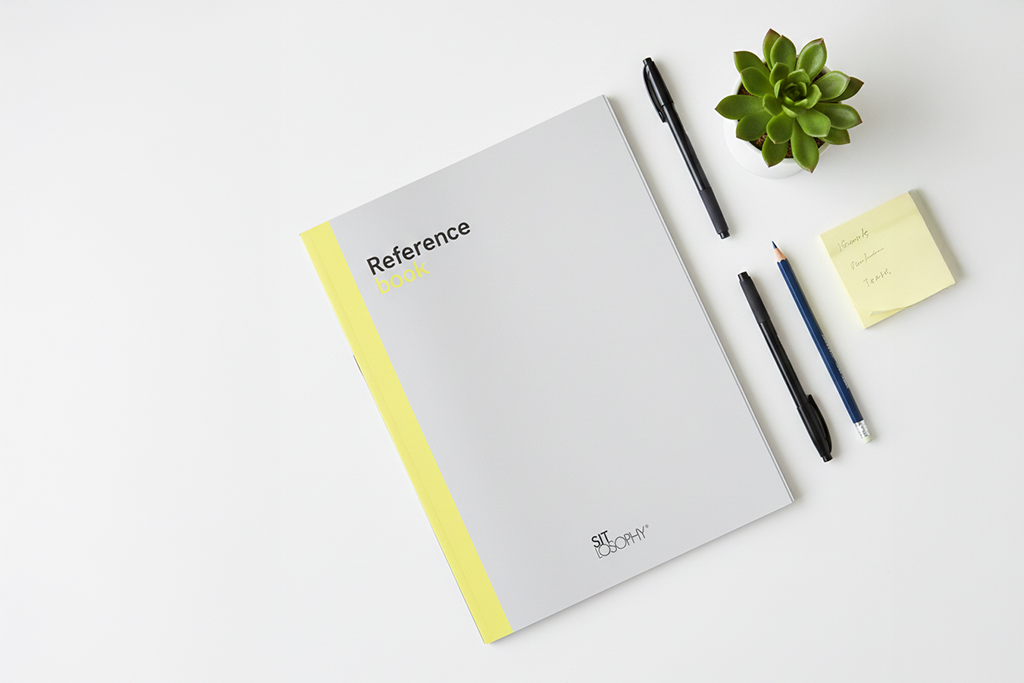
Sitlosophy presents the updated Reference Book, a digital publication designed to showcase a curated selection of projects in which Sitlosophy collections have been implemented. More than a catalogue, it is a source of inspiration that highlights real applications of Sitlosophy seating solutions within public spaces, executive offices and operational work environments, both in Italy and worldwide.
The Reference Book aims to provide architects, interior designers, planners and companies with a clear and tangible overview of how Sitlosophy products perform in real-life projects, emphasizing their versatility, design coherence and adaptability across different architectural contexts.
A curated selection of projects in Italy and around the world
The Sitlosophy Reference Book is a continuously updated digital publication featuring a selection of international projects developed in collaboration with design studios, corporate clients and public institutions. The featured environments range from corporate headquarters and executive offices to operational workspaces, meeting rooms, waiting areas and high-traffic collective spaces.
Each project reflects a different interpretation of contemporary workspace design, demonstrating how Sitlosophy collections integrate seamlessly into diverse architectural settings while responding to functional, aesthetic and regulatory requirements. The result is a comprehensive overview of real applications, offering a global perspective on the use of Sitlosophy seating solutions.
An inspirational tool for architects and designers
More than a visual showcase, the Sitlosophy Reference Book is conceived as a practical and inspirational design tool. Through selected case studies, readers can explore how Sitlosophy collections interact with materials, colours, spatial layouts and architectural volumes, supporting a wide range of design languages.
For architects and interior designers, the Reference Book provides valuable insights during the concept and development phases, allowing them to evaluate how Sitlosophy seating performs in complex, real-world environments. The publication highlights the ability of the collections to adapt both to formal, executive settings and to more informal, collaborative spaces.
Sitlosophy collections in contemporary work environments
The Reference Book features a variety of Sitlosophy collections chosen for their suitability to modern workspaces, where comfort, ergonomics, modularity and durability are essential. The documented applications show how the seating solutions are used across operational offices, meeting rooms, break areas, reception spaces and collective environments.
Each project underlines the role of furniture as a key element in shaping the user experience, contributing to well-being, efficiency and the overall quality of the workspace. Sitlosophy’s design approach places people and their everyday interactions at the centre of each project.
A digital publication, constantly evolving
The Sitlosophy Reference Book is a fully digital publication, designed for easy access and continuous updates. This format allows Sitlosophy to present an up-to-date and dynamic overview of its projects, reflecting the evolving needs of the market and the changing languages of contemporary architecture.
The digital nature of the Reference Book makes it a flexible and accessible resource for professionals seeking inspiration, technical references and concrete project examples to support their creative process.
Sitlosophy: design, project culture and international vision
With the updated Reference Book, Sitlosophy strengthens its position as a design partner for offices and public spaces on an international scale. The publication reflects a design philosophy focused on quality, functionality and consistency, where furniture becomes an integral part of the architectural narrative.
The Sitlosophy Reference Book is an essential resource for anyone looking to explore real applications of Sitlosophy collections and gain inspiration from projects that interpret contemporary work and public spaces through a global design perspective.


